


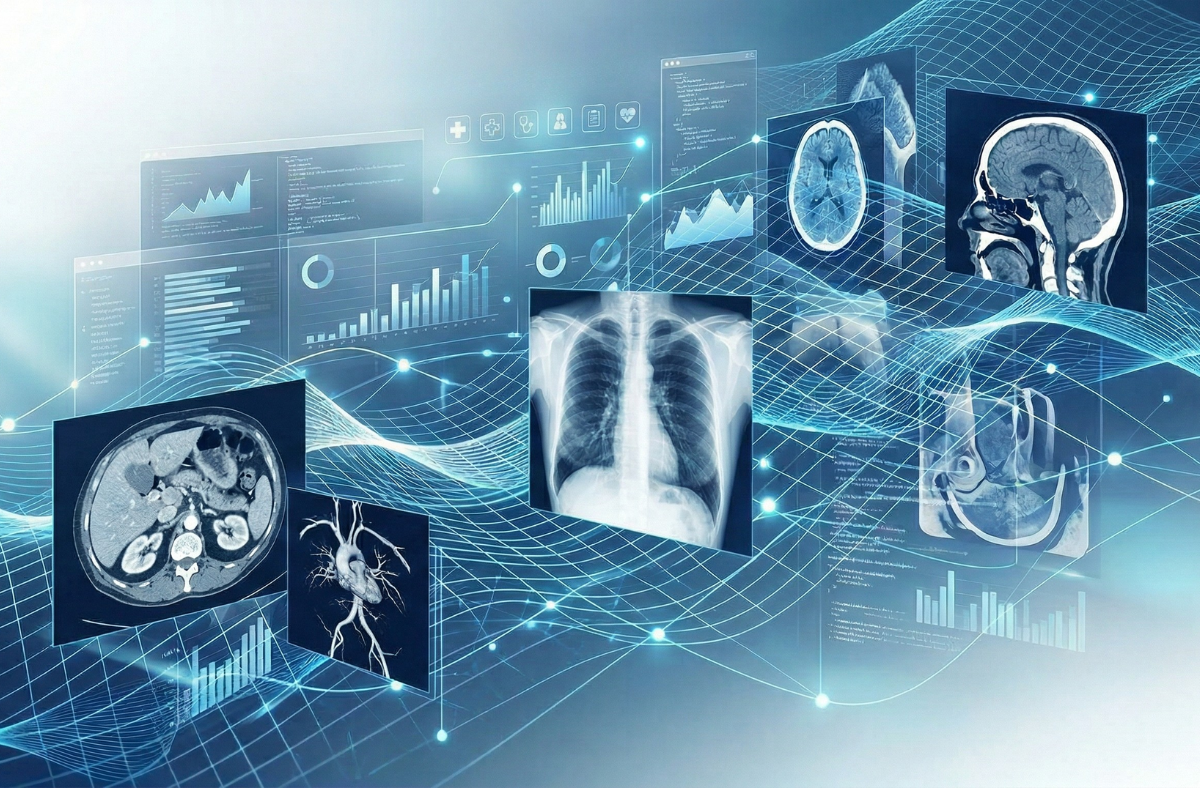
In the healthcare sector, “innovation” is much more than just introducing new technological tools; it means building an ecosystem capable of supporting doctors, healthcare professionals, and hospitals with reliable solutions that are integrated into care processes.
Today, digital health serves as a strategic lever for addressing some of the healthcare system’s key challenges: increasing clinical complexity, the need to optimize time and resources, continuity of care (formerly the on-call medical service), and the effective use of health data.
Technology and Healthcare: a transformation already underway
The digitization of healthcare is no longer a future prospect. From electronic clinical information management to decision support systems and remote monitoring platforms, technology is helping to reshape the way healthcare services are organized and delivered.
One of the most significant aspects concerns the ability to integrate different systems and information flows. In healthcare, in fact, the value of a technological solution depends not only on its functionality but also on its ability to interface with existing tools and processes.
This is where key concepts such as data interoperability, information harmonization, and digital continuity between the hospital, the community, and the patient come into play.
The availability of structured data that can be accessed quickly can, in fact, improve the quality of clinical processes, reduce redundancies, support patient care, and offer healthcare professionals a more comprehensive view of the care context.
The role of Artificial Intelligence in digital Healthcare
Among the most significant factors driving this innovation, the application of Artificial Intelligence to healthcare is currently attracting growing interest.
In particular, AI can make a significant contribution in information-intensive fields such as radiology, where automated image analysis can assist specialists in identifying relevant findings, thereby improving speed, consistency, and support for clinical interpretation.
Similarly, in chronic or complex care pathways, intelligent models and digital tools can help strengthen continuity of care and patient monitoring even outside of hospital settings.
Of course, the adoption of AI in healthcare requires careful consideration, vision, and responsibility. To be truly effective, a solution must be designed to fit into real-world workflows, comply with security and privacy requirements, and offer practical, user-friendly support that healthcare professionals can easily integrate into their practice.
When it comes to technological innovation in healthcare, the key focus is not the technology itself but its ability to create value in daily practice.
A digital platform is useful if it simplifies access to information. An AI system is effective if it helps professionals work better without slowing down their operations. An interoperability infrastructure is strategic if it enables the connection of data and processes, improving patient care.
It is from this perspective that digital healthcare can become a driver of efficiency and sustainability. The goal is not merely to digitize, but to build more integrated care models, where advanced technology, clinical data, and professional expertise can work together harmoniously.
Olidata’s commitment to the Healthcare sector
This is also the context for Olidata’s work, as the company is committed to developing digital solutions for the healthcare sector, particularly through AILANTON and its participation in the European TIQUE PCP project with the BeatBeat solution.
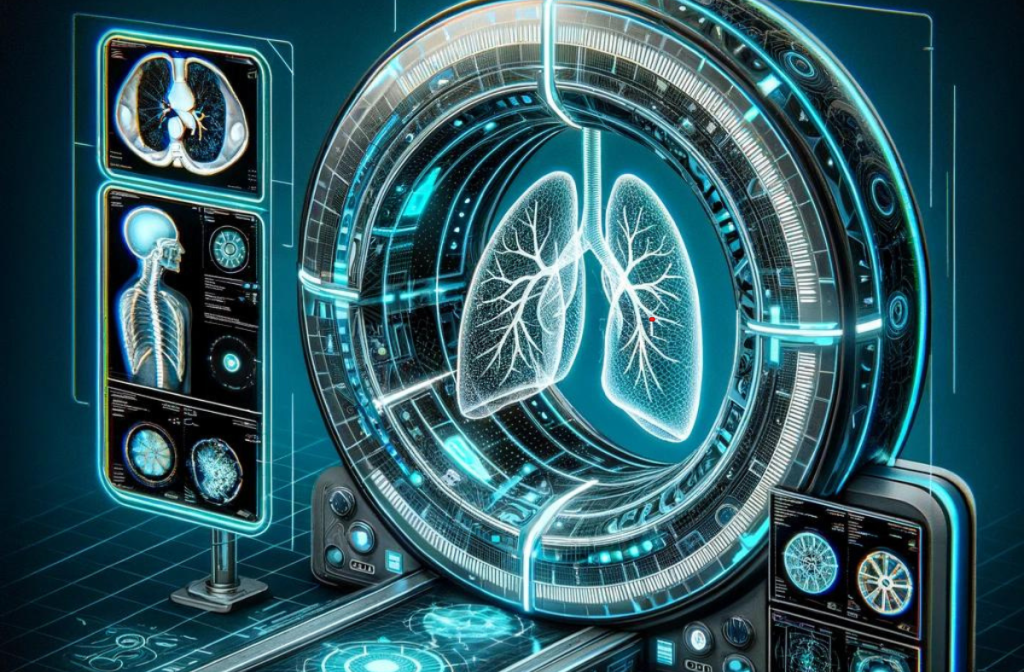
With AILANTON, Olidata has contributed to the development of an Artificial Intelligence system for the detection, early identification, and automatic classification of pulmonary nodules in chest CT scans, integrated into the radiology workflow.
The project also includes components such as pseudo-anonymization, structured reporting, and image annotation—essential elements for use in a clinical setting.
In the European TIQUE PCP project, Olidata contributed to the development of the BeatBeat solution for home monitoring of patients with heart failure.
In this context, its contribution involved the acquisition and harmonization of data from hospital information systems via the EdgeGateway platform, with the aim of facilitating more integrated management of care pathways.
Alongside projects already completed, there are additional ongoing activities, including feasibility studies in radiology, radiomics, advanced linguistic models, and AI systems for mammographic screening.
This set of initiatives confirms the company’s ongoing commitment to the field of digital healthcare.
In the healthcare sector, innovation means taking on a responsibility. We must develop technologies that are not only advanced but also aligned with the real needs of the healthcare system.
This vision underpins Olidata’s approach to the healthcare sector: contributing to the development of an increasingly digital, integrated healthcare system that serves people’s needs.